Clinical findings
PT-141 research on desire
The desire questionnaires, brain imaging and older male studies answer different questions. Their results reward a little patience.
PT-141 for women
The strongest clinical evidence concerns premenopausal women with acquired, generalized HSDD: persistently low sexual desire that causes distress. The RECONNECT trials in 1,267 women tested bremelanotide against placebo over 24 weeks. Participants in the active group received 1.75 mg subcutaneously as needed, meaning under the skin.
Both trials met their main endpoints. The integrated placebo-adjusted improvement in the FSFI desire score was +0.35; the integrated change in FSDS-DAO item 13 was −0.33. Both had P<.001. FSFI asks about sexual function, while that FSDS-DAO item concerns distress about low desire.
Those results impress me for their consistency across the trials. The leap from a score difference to a sweeping promise about someone’s sex life earns my distrust. The patient-experience analysis adds perceptions of benefits and tolerability, and the expert appraisal of efficacy and safety considers the broader benefit-risk judgment. The reviews page takes up that human assessment.
PT-141 mechanism of action
Bremelanotide activates central melanocortin receptors, chiefly MC4R and MC3R, in brain circuits involved in sexual motivation. Dopaminergic signaling is thought to contribute to the desire response. PDE-5 inhibitors work through peripheral blood-vessel smooth muscle; PT-141 approaches sexual response through central signaling.
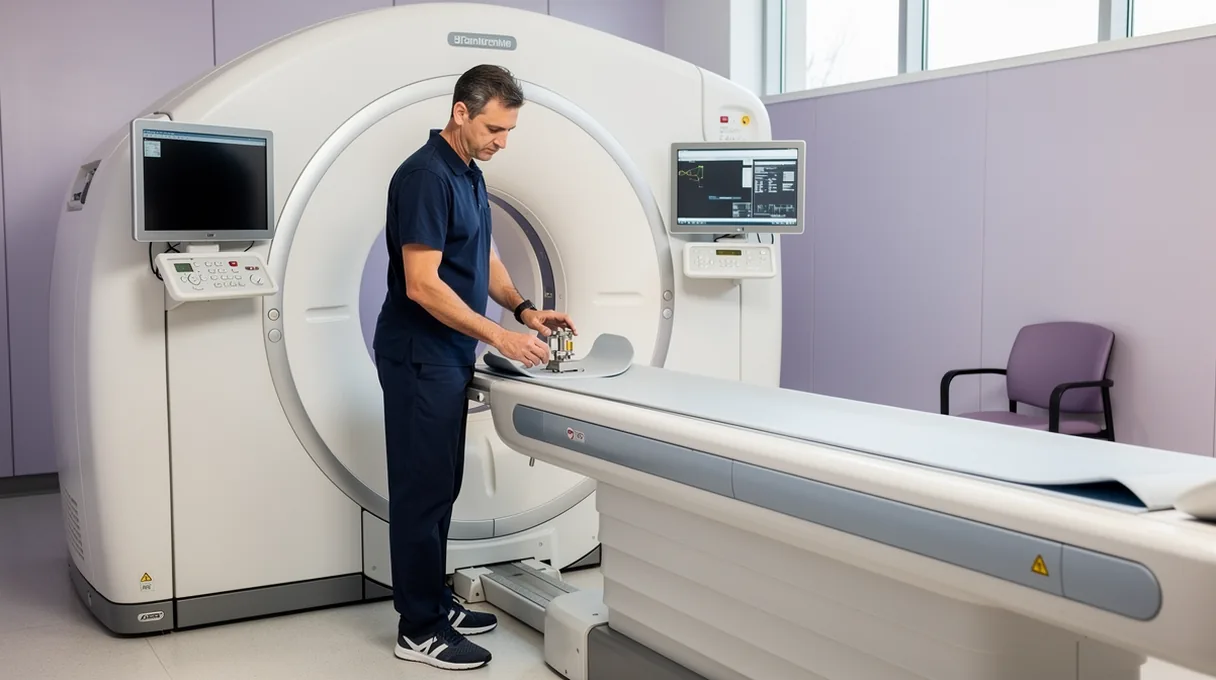
The crossover brain-imaging study in 31 premenopausal women with HSDD found increased sexual desire for up to 24 hours, alongside altered processing of erotic stimuli. Reported changes included amygdala-insula connectivity and activity in cerebellar and supplementary-motor regions. Functional MRI detects changes associated with brain activity.
The attempt impresses me: it tries to connect a subjective change with brain processing. The scan still leaves the practical assessment to clinical outcomes and experience. It cannot tell someone whether the effect will be worth its tolerability cost.
Animal findings
In female rats, PT-141 increased sexual solicitation while leaving lordosis, pacing and general motor activity unchanged. Those are animal observations about particular behaviours. They helped identify a selective effect on sexual seeking.
A later study in female Syrian hamsters found no enhancement of sexual reward in a conditioned place-preference test. Bremelanotide also left melanocortin-receptor mRNA expression unchanged in the mesolimbic dopamine system. The hamster result makes me more cautious about the reward-circuit explanation. A plausible receptor story still has to survive experiments that ask narrower questions about reward.
PT-141 for men
The early intranasal studies in healthy men and men with erectile dysfunction found a dose-dependent exposure pattern and an erectile response versus placebo at doses above 7 mg. The formulation, participants and outcome differ from the later HSDD trials.
Male use remains off-label; the approval covers the specified HSDD population in premenopausal women. The old nasal formulation was discontinued during development because of pharmacokinetic variability. I give those early erectile findings historical interest and limited weight in judging the approved treatment. Dose-finding and formulations explain why their milligram amounts cannot simply be carried across routes.
Appetite findings
MC4R also participates in appetite regulation. Phase 1 studies in obese premenopausal women found reduced caloric intake and body weight under high-frequency research dosing. Weight loss remains outside bremelanotide’s approved purpose. To me, this finding usefully broadens the safety conversation: the receptor’s work extends beyond sexual desire.